


Just like any successful business venture, turning your blog into a profitable income stream requires strategic planning and dedication. You’re about to discover proven methods that can transform your passion for writing into a sustainable revenue source. Whether you’re a complete beginner or an experienced blogger looking to monetize your platform, this guide will walk you through multiple revenue channels that can help you earn anywhere from a few hundred to thousands of dollars monthly. Your journey to financial independence through blogging starts right here.
Key Takeaways:
- Choose a profitable niche and create high-quality, targeted content that solves specific problems for your audience to build consistent traffic
- Diversify your income streams through multiple channels like affiliate marketing, digital products, sponsored posts, and display advertising
- Focus on building an email list from day one – it’s your most valuable asset for monetizing your blog and creating long-term relationships with readers
- Optimize your site for search engines (SEO) with strategic keywords, quality backlinks, and mobile-friendly design to increase organic traffic
- Invest time in creating your own digital products like courses, ebooks, or memberships – they offer higher profit margins than affiliate marketing alone
Understanding Blogging as a Business
A successful blog is more than just a hobby—it’s a strategic business venture that requires careful planning and execution. When you approach blogging as a business, you’ll need to develop a clear understanding of your target audience, revenue streams, and growth strategies. Your blog becomes a platform where you can create value for readers while generating income through various monetization methods.
Factors for Success
Little do most beginners realize that consistent content creation and strategic planning are the foundations of a profitable blog. You’ll need to focus on:
- Quality content that serves your audience’s needs
- Search engine optimization for better visibility
- Social media presence to build community
- Email list building for direct communication
- Monetization strategy development
This combination of elements creates a sustainable blogging business model.
Choosing a Profitable Niche
Success in blogging starts with selecting a profitable niche that aligns with both your expertise and market demand. You should look for topics where you can provide unique value while ensuring there’s enough audience interest and monetization potential. Your chosen niche should have a balance between competition and opportunity.
It’s important to conduct thorough market research before committing to your niche. You’ll want to analyze competing blogs, identify gaps in the market, and evaluate potential revenue streams such as affiliate marketing, digital products, or coaching services. The most profitable niches often sit at the intersection of your passion, expertise, and market demand, while avoiding oversaturated or overly narrow topics that might limit your growth potential.
Setting Up Your Blog
Clearly, establishing a successful blog requires careful planning and strategic implementation. Before plunging into content creation, you need to lay a solid foundation for your blogging journey. As outlined in this comprehensive guide to starting a profitable blog in 11 steps, proper setup is vital for long-term success and monetization potential.
Selecting a Domain and Hosting
Clearly, choosing the right domain name and hosting provider sets the stage for your blogging success. Your domain name should be memorable, relevant, and professional, reflecting your blog’s niche and brand identity. When deciding on a hosting provider, prioritize companies offering reliable uptime, excellent customer support, and scalable resources to accommodate your growing traffic.
You’ll want to invest in a self-hosted WordPress solution rather than free blogging platforms, as this gives you complete control over monetization and customization options. Consider purchasing domain privacy protection and SSL certification to enhance your blog’s security and trustworthiness.
Designing Your Blog for Profitability
For maximum earning potential, your blog’s design must strike a balance between aesthetic appeal and functional monetization. Focus on creating a clean, professional layout that strategically incorporates advertising spaces without compromising user experience. Your design should include prominent calls-to-action, easily navigable menus, and mobile responsiveness to capture and retain visitor attention.
Understanding the importance of strategic design elements can significantly impact your blog’s earning potential. Place your highest-converting elements above the fold, optimize your sidebar for email list building, and ensure your content layout supports various monetization methods, from affiliate links to sponsored content placements. Your blog’s design should guide visitors naturally toward your revenue-generating elements while maintaining a professional and trustworthy appearance.

Creating High-Quality Content
All successful bloggers understand that content quality directly impacts their earning potential. To establish yourself as an authority and attract a loyal readership, you need to create valuable, well-researched, and engaging content that solves your audience’s problems. As demonstrated in How I Make Money Blogging + How to Monetize a New Blog, delivering exceptional content consistently can transform your blog into a profitable venture.
Tips for Engaging Your Audience
Some proven strategies to keep your readers coming back include:
- Creating compelling headlines that grab attention
- Using storytelling techniques to make content relatable
- Including actionable tips readers can implement immediately
- Adding visual elements like images and videos
- Writing in a conversational tone that connects with readers
Knowing how to maintain your audience’s interest will significantly impact your blog’s success rate.
Consistency is Key
Creating a sustainable content schedule helps you build trust with your audience and improve your search engine rankings. When you maintain a regular posting schedule, whether it’s weekly or bi-weekly, your readers know when to expect new content, which helps foster loyalty and engagement.
Tips for maintaining consistency include planning your content calendar in advance, batch-creating content when you’re feeling inspired, and setting up a content management system that works for your schedule. Your dedication to regular posting will help establish your blog as a reliable resource in your niche.
Growing Your Blog Audience
Your blog’s success hinges on building a dedicated readership that returns to your content regularly. To achieve this, you need to focus on creating high-quality, valuable content that resonates with your target audience. By understanding your readers’ needs and consistently delivering solutions to their problems, you’ll establish yourself as an authority in your niche.
Marketing Strategies for Bloggers
Blog promotion requires a well-planned, multi-channel approach to reach your potential readers where they spend their time online. You can implement guest posting on established websites, participate in online communities, and leverage email marketing to grow your audience. By diversifying your marketing efforts, you’ll create multiple touchpoints to connect with your target readers.
Utilizing Social Media
Strategies for social media success should align with your blog’s core message and target audience demographics. You need to identify which platforms your ideal readers frequent and establish a consistent presence there. By sharing valuable snippets of your content, engaging with followers, and participating in relevant conversations, you’ll build a community around your blog.
Marketing on social media platforms requires careful planning and authentic engagement. You can maximize your reach by creating platform-specific content, using appropriate hashtags, and timing your posts for optimal visibility. Consider using social media management tools to schedule your content and track performance metrics to refine your strategy over time.

Monetization Strategies
Many bloggers struggle to turn their passion into profit, but with the right monetization approach, you can transform your blog into a sustainable income source. Your success depends on implementing multiple revenue streams and consistently delivering value to your audience while maintaining authenticity in your monetization efforts.
Affiliate Marketing
Assuming you’ve built a loyal readership, affiliate marketing can become your most reliable income source. By recommending products or services you genuinely believe in, you can earn commissions ranging from 3% to 50% on each sale made through your unique affiliate links. Your success in affiliate marketing hinges on maintaining trust with your audience and only promoting items that align with your blog’s niche and values.
Sponsored Posts and Ads
Monetization through sponsored content and display advertising offers you a direct way to earn from your blog traffic. When your blog reaches 10,000+ monthly pageviews, you can join premium ad networks like Mediavine or AdThrive, which typically offer higher rates than Google AdSense. Your sponsored post rates can range from $250 to $2,500 depending on your niche and audience engagement.
Plus, you can enhance your sponsored content strategy by offering brands additional value through social media promotion, newsletter mentions, or custom photography. This approach not only increases your earning potential but also helps you build long-term relationships with brands, leading to recurring sponsorship opportunities. However, always maintain transparency by clearly disclosing sponsored content to your readers to protect your credibility.

Analyzing and Optimizing Performance
Despite the challenges of monetizing a blog, understanding your performance metrics is vital for growth. As highlighted in this discussion about making money as a blogger, successful bloggers consistently monitor and optimize their content strategy. You’ll need to track various metrics, including page views, bounce rates, and conversion rates, to make data-driven decisions that improve your blog’s performance.
Using Analytics Tools
To effectively measure your blog’s performance, you’ll need to implement reliable analytics tools. Google Analytics provides comprehensive insights into your audience behavior, traffic sources, and content performance. You can track which posts generate the most engagement, understand your audience demographics, and identify areas where visitors might be dropping off.
Improving Engagement and Revenue
Any successful monetization strategy requires a deep understanding of your audience’s behavior and preferences. You should focus on creating content that resonates with your target audience while maintaining a balance between promotional and valuable content. By analyzing your metrics, you can identify which topics, posting times, and content formats generate the highest engagement and revenue.
Using a combination of A/B testing, heat mapping tools, and user feedback can help you optimize your blog’s layout and content structure. Pay attention to key performance indicators such as time on page, scroll depth, and click-through rates to refine your content strategy and maximize your earning potential. Regular monitoring and adjustment of these elements will help you build a more profitable blogging business.
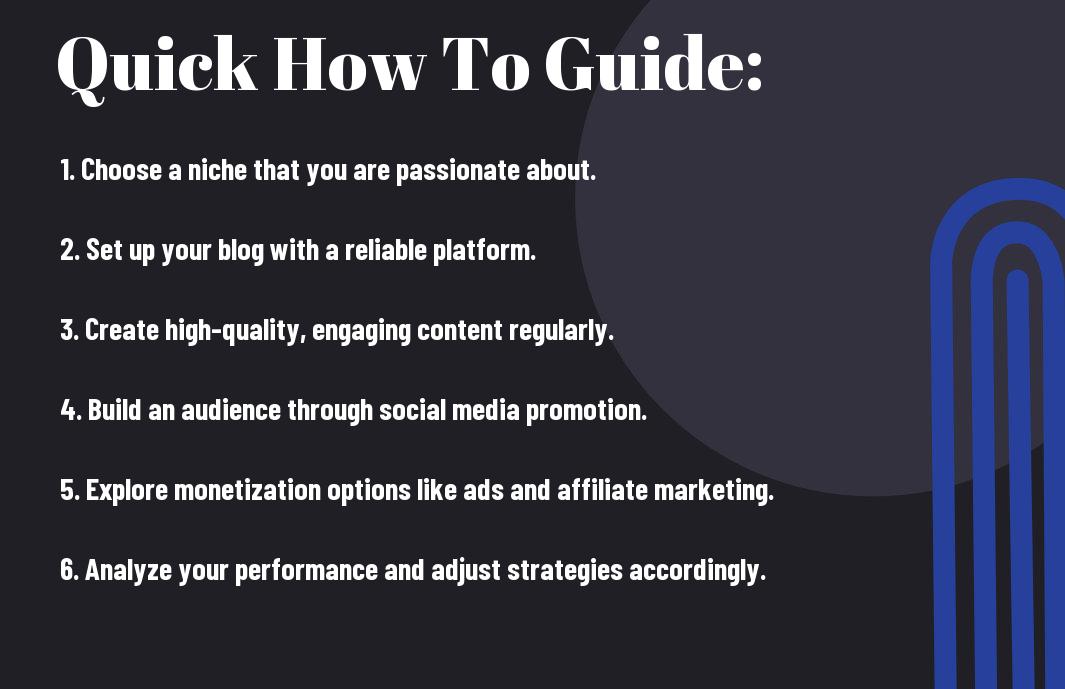
Summing up
Conclusively, your journey to making money through blogging requires a strategic combination of dedication, patience, and smart monetization techniques. You’ll need to focus on building a loyal audience through consistent, high-quality content while implementing various revenue streams such as affiliate marketing, sponsored posts, digital products, and display advertising. Your success will largely depend on how well you understand your target audience and deliver value that keeps them coming back for more.
As you progress in your blogging career, you’ll discover that diversifying your income sources and continuously adapting to market trends will help you build a sustainable blogging business. By maintaining authenticity in your content creation and focusing on solving your readers’ problems, you can create multiple income streams that work together to generate substantial revenue. The key is to remain persistent and view your blog as a long-term investment that requires regular nurturing and optimization.
FAQ
Q: How long does it take to start making money from a blog?
A: Most successful bloggers start seeing initial income within 6-12 months of consistent posting. However, building a substantial income ($1,000+ monthly) typically takes 18-24 months of dedicated work, quality content creation, and strategic monetization methods.
Q: What are the main ways to monetize a blog?
A: The primary monetization methods include display advertising (Google AdSense, Mediavine), affiliate marketing, sponsored posts, digital products (courses, ebooks), coaching services, and membership programs. Most successful bloggers utilize multiple income streams simultaneously.
Q: How much traffic do I need to make money blogging?
A: For display ads, you need approximately 10,000 monthly pageviews for basic AdSense earnings. Premium ad networks like Mediavine require 50,000 sessions. However, affiliate marketing and digital products can generate income with lower traffic if you have engaged readers and high-quality content.
Q: Which blogging niches are most profitable?
A: The most profitable niches include personal finance, health and wellness, lifestyle, parenting, technology, self-improvement, and travel. Success depends on choosing a niche that combines your expertise with market demand and monetization potential.
Q: What initial investments are needed to start a money-making blog?
A: Essential investments include domain name ($10-15 annually), hosting ($3-15 monthly), website theme ($0-100), email marketing service ($15-30 monthly), and optional tools like SEO plugins or social media scheduling platforms. Total initial investment typically ranges from $100-500.
Q: How often should I publish new content to maximize earnings?
A: Publishing 2-3 high-quality posts weekly is ideal for building traffic and maintaining reader engagement. Focus on creating comprehensive, well-researched content (1,500+ words) rather than shorter, frequent posts. Consistency matters more than quantity.
Q: What skills do I need to become a successful blogger?
A: Essential skills include content writing, basic SEO knowledge, social media management, email marketing, and basic photo editing. You’ll also need analytical skills to track metrics and adapt strategies. These skills can be developed over time through online courses and practical experience.



0 Comments