How to Get Pinterest Traffic Without Idea Pins in 2026

If your Pinterest traffic has been sliding since Idea Pins disappeared, you’re in the right place. You spent months learning Idea Pins. Then Pinterest killed them. Now you’re staring at your traffic dashboard, watching the numbers drop, wondering if Pinterest is even worth it anymore. Here’s the truth almost nobody says out loud: losing Idea Pins was the best thing that ever happened to your Pinterest traffic strategy. I know that sounds backwards. Stay with me. By the end, you’ll see why the smartest marketers are quietly celebrating.
Table of Contents
Why Idea Pins Hurt Your Pinterest Traffic
Let’s be honest about what Idea Pins actually did. They kept people on Pinterest. That was the whole point. Pinterest built them to compete with TikTok and Instagram Stories.
But think about that for a second. If a user never leaves Pinterest, they never land on your website. Idea Pins were built to hold attention, not send it anywhere. That’s why their click-through rate stayed so low—people never left the app.
You were pouring hours into a format designed to keep your audience away from your business. That’s not a traffic strategy. That’s free content creation for Pinterest.
Why Standard Pins Drive More Pinterest Traffic
Here’s what the format-chasers missed. The thing that drives clicks to your site never stopped working. Standard pins—plain vertical images with a link—quietly kept doing the job the whole time.
The data backs this up. For most marketers in 2026, the winner is clear: static pins drive the clicks, the traffic, and the revenue. Not video. Not fancy multi-page stories. Simple images that link to your stuff.
I’ve managed Pinterest for several content sites, and the pattern never changes. The pins still sending me clicks a year later are always plain static images—never the video formats everyone chased. While the whole internet panicked about Idea Pins, the boring static pin quietly outperformed all of it.
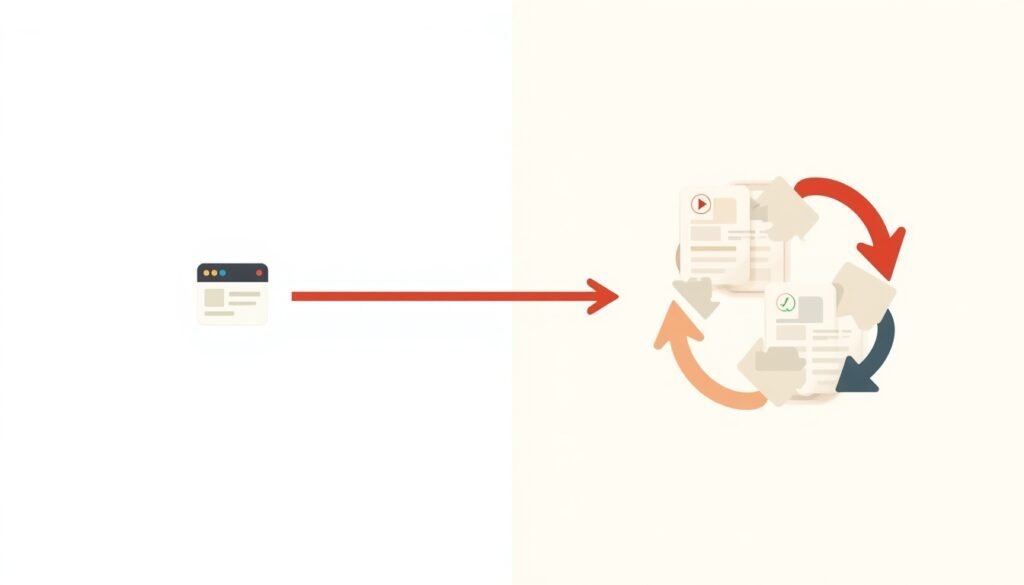
Pinterest Is a Search Engine, Not Social Media
This is the mental shift that changes everything. Pinterest is not social media. Stop treating it like Instagram.
Pinterest works more like a search engine than a social feed. People find your content through search and recommendations, not a chronological timeline. That one fact rewrites your entire game plan.
On Instagram, your post dies in 48 hours. On Pinterest, it works for months. A well-optimized pin can keep driving traffic for months, or even years, after you publish it.
Think about what that means for your effort. One good pin can send you visitors while you sleep, for a year or more. Idea Pins never gave you that. They needed constant feeding.
Why Pinterest Users Are Ready to Buy
Here’s the part that should really excite you. Pinterest users aren’t bored scrollers. They came looking for something. People come to Pinterest to find ideas, plan projects, build wish lists, and research purchases. They are not in a passive scrolling mindset.
That’s a buyer, not a lurker. You catch people at the exact moment they want a solution.
And the numbers are hard to ignore. According to Pinterest data compiled by Sprout Social, 85% of weekly Pinners have made a purchase based on a pin they saw from a brand. Compare that to a random Instagram like. It’s not even close. That buyer intent is also why Pinterest traffic converts better than raw pageviews—it’s worth knowing how much traffic you actually need to make money blogging before you chase big numbers.
The Pinterest Traffic Strategy That Works in 2026
Enough theory. Let me hand you the actual method. This is what’s driving traffic right now, without a single Idea Pin. None of this is theory I’m guessing at—it’s the same routine I run every week. So how do you get Pinterest traffic without Idea Pins in 2026?
To get Pinterest traffic without Idea Pins in 2026, publish five to ten static image pins a day, put your target keyword in every title and description, design pins people want to save, and link each one to a helpful blog post. Pin consistently and your traffic compounds after 60 to 90 days.
Want to see the approach on a real, brand-new blog before you start? This walkthrough shows the same static-pin strategy pulling in steady traffic from only a handful of posts:
Video: “The Pinterest Strategy That’s Getting My New Blog Real Traffic (with Only 8 Blog Posts!)” — watch on YouTube.
Here’s how each piece works.
1. Post Fewer Pinterest Pins, Not More
The old advice was to flood Pinterest with pins. That’s now hurting you. Five to ten fresh pins a day is the 2026 norm. The old 25-plus-per-day approach gets you penalized. Less spam, more quality—Pinterest rewards it.
2. Use Static Image Pins as Your Backbone
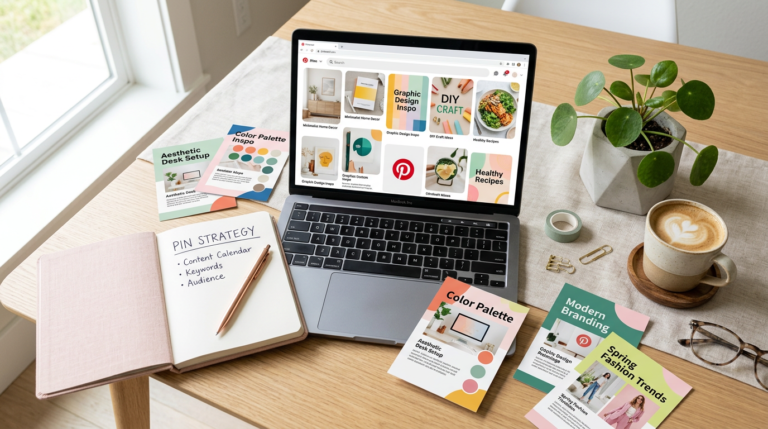
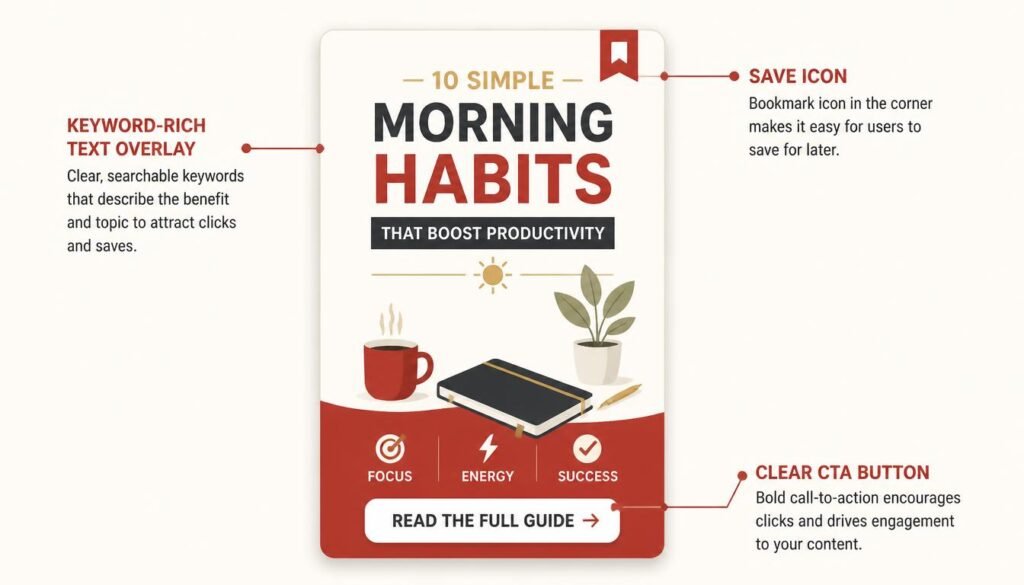
Design vertical images with clear text and one obvious call to action. Static image pins are still the backbone of Pinterest traffic: a vertical image, a text overlay, and a clear CTA. You don’t need to be a designer. You need to be clear.
3. Write Pinterest Descriptions for SEO
This is where most people leave traffic on the table. Lead with the most important information. Put your target keyword in the first sentence. Add a natural CTA like “Click to read the full guide.” Keywords belong in your titles, descriptions, and board names too. That’s Pinterest SEO, and it’s how people actually find you. The same on-page SEO fundamentals that get a blog post ranking apply straight to your pins, and Google’s own SEO Starter Guide covers the keyword basics worth borrowing.
4. Chase Pinterest Saves, Not Likes
Pinterest changed what it rewards after killing Idea Pins. Now saves are the signal that matters—the more saves you get, the further your reach spreads. So create pins people want to keep. Save-worthy beats flashy every time.
5. Link Every Pin to a Blog Post
Don’t just link to a product page. Link to helpful content first. A blog post builds trust and gives Pinterest a real reason to rank you. From there, your reader can find the product on their own terms—which is exactly how affiliate marketing for bloggers is supposed to work: help first, sell second.
Why Pinterest Traffic Takes 60 to 90 Days
Here’s the catch, and it’s actually good news for you. This doesn’t work overnight. That scares off your competition.
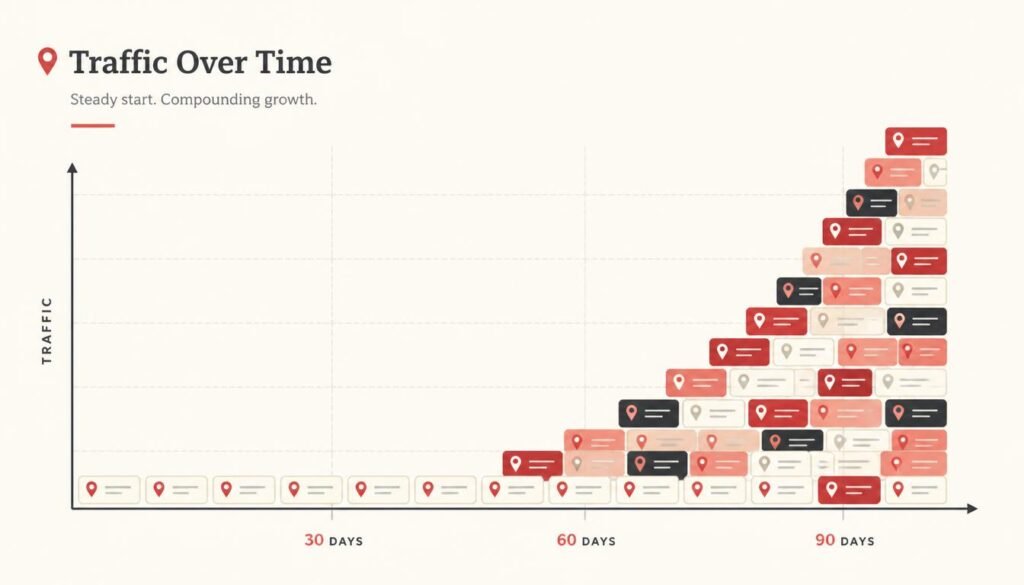
Most accounts see compounding traffic only after 60 to 90 days of steady publishing. Most people quit before then. They want instant wins. If that timeline stings, it helps to see how long it takes a new blog to rank on Google—the pattern is nearly identical.
But you understand the compounding effect now. A well-optimized pin from three years ago can still drive clicks today. Pinterest SEO stacks—the more good pins you publish, the more traffic flows over time.
Every pin you post is a brick. Stack enough of them and you build a traffic machine. Idea Pins never compounded. They vanished. Static pins stack.
Why Pinterest Traffic Costs Less Than Paid Ads
Let’s talk about cost, because this seals it. Paid ads keep getting more expensive—everywhere except one place.
Pinterest ads run 30 to 60% cheaper than Instagram or TikTok in most niches, so even a small budget moves the needle. But you may not need ads at all. The organic traffic is that strong.
Because Pinterest is search-first, your audience is already close to buying. You’re not interrupting them. You’re helping them find what they already want. That’s the part believers understand: Pinterest doesn’t feel like marketing. It feels like helping.
Your 2026 Pinterest Traffic Plan
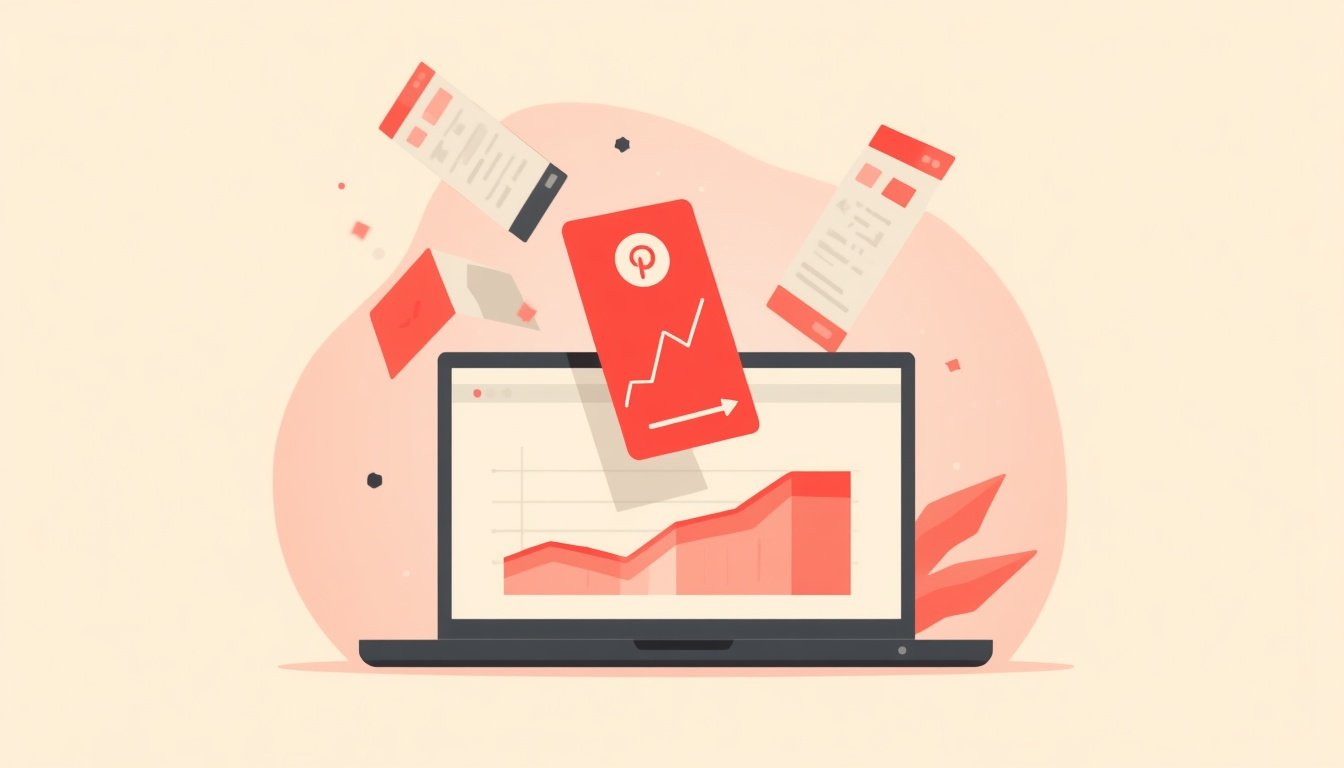
Idea Pins dying didn’t break your Pinterest traffic. It freed it. You were burning hours on a format built to keep readers away from your site. Static pins do the opposite—they hand Pinterest a real reason to send people to you, and they keep working for months after you hit publish.
It’s cheaper than ads, simpler than video, and it compounds while you sleep. The only price is patience, and patience is exactly what filters out everyone you’re competing with.
So here’s your move. Pick three blog posts or products this week. Make five clean static pins for each, write real keyword descriptions, and schedule them. Then do it again next week, and the week after. That’s the whole Pinterest traffic strategy—start pinning today, because your future traffic is built one static pin at a time.