November 2026 Core Update: What Bloggers Should Check, and When

This post contains affiliate links. As an Amazon Associate I earn from qualifying purchases, at no extra cost to you.
Google picked the worst possible week for bloggers to read their own data. The November 2026 core update started on November 10 and is expected to finish around November 24, two days before Thanksgiving and three before Black Friday. That means the first “clean” week to measure it falls straight into Cyber Week, when search demand for gift guides, deals and product reviews swings wildly on its own.
So if your traffic chart looks strange right now, you can’t yet tell whether Google moved your rankings or your readers simply went shopping.
This plan fixes that. It gives you exact date ranges to compare, a quick way to separate a ranking loss from a demand swing, and a short list of things not to touch while the rollout settles. It’s written for independent bloggers and affiliate sites facing a Google core update review, not enterprise SEO teams.
Table of Contents
What the November 2026 core update is, and what it isn’t
Here is everything Google has confirmed about the November 2026 core update. The rollout began on November 10 at 10:06 a.m. Pacific time, applies to all countries and languages, and “may take up to 2 weeks to complete,” according to the Google Search Status Dashboard. Google called it a regular update and named no targets.
It’s the third broad core update of 2026. The March update ran from March 27 to April 8, and the May update from May 21 to June 2. Both took about 12 days, which is why most trackers expect this one to wrap up near November 24.
What it isn’t: a penalty. Google’s own core updates documentation says these changes don’t target specific sites or pages. A spam update punishes policy violations. A core update reshuffles how every page is judged against every other page, so you can drop without doing anything wrong.
The fixes are completely different. If you ran through our September 2026 spam update checklist and came out clean, a drop now points to how your content compares, not to a rule you broke.
Is the November 2026 core update finished yet?
Not as of November 20. The dashboard hasn’t posted a completion note, and SEO consultant Glenn Gabe said on November 20 that he expected it to finish “early next week.” Bookmark the dashboard link above. When Google marks the incident complete, that date becomes the anchor for every step below.
Why this core update is harder to read than most
Three things are muddying the November 2026 core update data, and each one can fool you into “fixing” a page that was fine.
- Holiday demand. Searches for “best gifts for…” and “deal on…” climb through late November whatever Google does to rankings. An affiliate post can gain clicks while losing positions, or the reverse.
- Noisy Search Console data. Barry Schwartz reported on Search Engine Roundtable that Search Console performance reporting has been lagging, and Gabe flagged bot-driven “phantom” clicks in early November that distorted some reports.
- Quiet tracking tools. The same report noted that volatility trackers looked calmer than usual, possibly because some of them are being blocked. A calm chart from a tool doesn’t prove a calm update.
The early anecdotes cut both ways. One site owner reported a 5% dip that recovered, followed by a 10% weekend rise. Another said they were more than 20% down week over week. A single week tells you very little, which brings us to step one.
Step 1: Freeze a clean baseline before you look at anything else
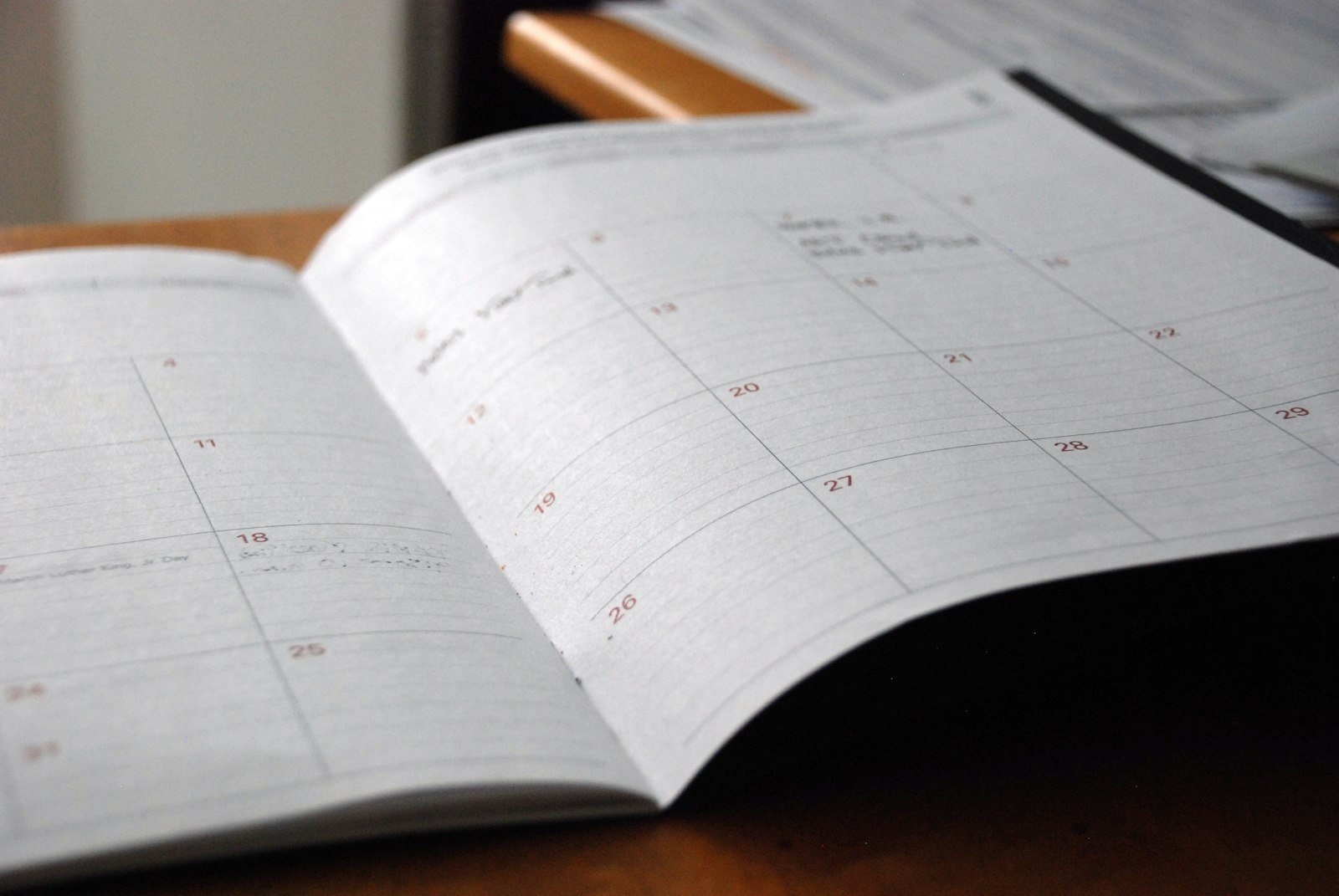
Your baseline is the week you’ll compare against later, so it needs to be untouched by the November 2026 core update, the early tremors and the holidays. Use Tuesday, October 27 to Monday, November 2, 2026.
Why not the week of November 3 to 9? Several trackers, including Stan Ventures, logged volatility from November 3, a week before Google’s announcement. Pre-announcement testing is common, so that week is already contaminated.
Do this today, while it takes ten minutes:
- In Search Console, open Performance → Search results, set a custom range of Oct 27 – Nov 2, and export the Pages and Queries tabs.
- Repeat for Discover if you get Discover traffic. It is scored separately and can move on its own.
- Export the same week from GA4 so you have conversions and affiliate clicks, not just visits.
- Add annotations in GA4 or your tracking sheet for November 3 (early volatility), November 10 (official start) and the completion date once Google posts it.
Scan the baseline for odd spikes, such as one query or country suddenly sending hundreds of clicks. That may be bot noise, so note it before it inflates your “before” numbers.
Step 2: Pick the right measurement week (and a year-over-year check)
Google’s guidance is specific: wait at least a full week after the update completes, then compare the week after it with the week before it began. If the November 2026 core update ends on November 24, your first fair “after” week is Wednesday, December 2 to Tuesday, December 8. If the end date slips, shift every date below by the same number of days.
That window still sits in the tail of Cyber Week, so add a second comparison to strip out seasonality: the same weekdays last year, December 3 to 9, 2025. It lands before the December 2025 core update, which began on December 11, so it’s a clean seasonal reference.
| Comparison | Date ranges | What it tells you |
|---|---|---|
| Before vs. after | Oct 27 – Nov 2, 2026 vs. Dec 2 – 8, 2026 | Total change, including seasonal demand |
| Year over year | Dec 3 – 9, 2025 vs. Dec 2 – 8, 2026 | Change with the holiday effect mostly removed |
| Rollout check | Nov 10 – 24, 2026, daily view | Whether a drop was steady or a temporary swing |
If your site is younger than a year, skip the year-over-year row and lean harder on the position test in step 3.
Step 3: Separate a ranking loss from a demand swing
This is the single most useful check, and most Google core update coverage skips it. Clicks are the product of three things: how many people searched, where you ranked, and how often they clicked. A core update moves the second one. Holiday shopping moves the first.
So in Search Console, read clicks, impressions and average position together for each of your top 20 pages:
- Impressions down, position flat: fewer people searched. That’s demand, not the update. Leave the page alone.
- Position down, impressions down: you were pushed lower and seen less. That’s a ranking loss worth investigating.
- Position flat, CTR down: something on the results page changed, such as a new AI Overview, video carousel or shopping block. Check it with the Search Console generative AI report.
How to tell if the November 2026 core update really hit you
Google draws the line itself. A slide from position 2 to 4 is a small drop, and the advice is to take no drastic action, especially on content that’s still performing. A fall from position 4 to 29 is a large drop that calls for a deeper look, especially if it’s sustained and spread across the site.
A practical rule: if a page lost fewer than five positions and still sits on page one, log it and move on. If several pages fell off page one together, keep going to step 4.
Google Search Central’s own walkthrough of these reports is worth 15 minutes before you start digging:
Step 4: Segment by page type, search type and intent

A sitewide “down 18%” after the November 2026 core update hides the real story. A Google core update rarely hits every template the same way, so slice the data before drawing conclusions.
By page type. Group URLs into how-to tutorials, product reviews, “best X” roundups, comparisons and news posts. In Search Console, a page filter with “URL contains” works if your slugs follow patterns such as /best- or -vs-. If only roundups dropped, you’ve learned far more than any sitewide number could tell you.
By search type. Google recommends checking Web, Image, Video and News results separately.
By intent. One early report from this rollout described informational pages pushing commercial ones down in health and finance results. Another described e-commerce category pages being swapped for articles from the same sites. If your losses cluster on buying-intent queries, Google may now prefer a different kind of answer for them, not a better version of yours.
There is one pattern to take seriously right away. Gabe noted that sites which scaled up AI-generated content were dropping. If you published dozens of lightly edited AI drafts this year, check those URLs as a group first.
Step 5: Study what replaced you, not just what you lost
For each page the November 2026 core update pushed off page one, search its main query in a private window and write down who now ranks above you. Look for patterns, not rivals.
Forums are the pattern to watch. After the May 2026 core update, SE Ranking’s analysis of about 100,000 keywords found Reddit held 10.24% of top-three organic spots, up from 8.56% after March. The number of keywords where Reddit ranked first rose 54%, and the biggest gains came in pets, education, and sports and exercise.
If a thread now outranks your guide, ask what the thread gives searchers that you don’t. It’s usually lived experience, honest downsides or a specific answer to a narrow question. Those are fixable gaps, and our guide to E-E-A-T for bloggers shows how to show first-hand experience without turning every post into a diary.
If big brands or official sources replaced you, the gap may be trust rather than content. That takes longer to close, and it changes which pages are worth rewriting.
Step 6: Fix only the pages that deserve it, the right way

Google warns against quick fixes such as stripping page elements because of a supposed SEO effect. Instead, it suggests reviewing the whole site against its helpful content self-assessment questions, ideally with someone who doesn’t work on the site. Deleting content is a last resort.
What a useful rewrite looks like for a blogger:
- Answer the query in the first screen. If the winning results answer in two lines and you answer after 400 words of background, restructure.
- Add what only you can add. That means your test results, screenshots from your own dashboard, or a mistake you made and how you fixed it.
- Cut padding, not substance. Remove the generic intro and the “what is X” section searchers skip. Keep the detail.
- Update facts and dates. A 2024 price or a dead tool link is a quiet quality signal against you.
Our content refresh workflow turns core update recovery into a repeatable checklist.
If you want a deeper reference for the technical side, The Art of SEO by Eric Enge, Stephan Spencer and Jessie Stricchiola is a long-running reference, now in its fourth edition. Its chapters on Google algorithm updates and SEO analytics make it a sound check before you change anything structural.
For the writing itself, Everybody Writes by Ann Handley is the most practical editing guide I know for tightening a bloated post. It helps most when your rewrite needs to sound like a person again, especially after a heavy dose of AI drafting.
What not to do during the rollout
A drop on day four can reverse by day twelve, so these moves do more harm than good while a Google core update is still rolling out:
- Bulk rewriting or deleting posts
- Changing URLs, categories or site structure
- Filing panic link disavows
- Copying a competitor’s layout because it ranks this week
- Switching themes or SEO plugins
Step 7: Protect your income while rankings settle
For most bloggers, the real risk of the November 2026 core update isn’t a lost ranking. It’s a lost Black Friday. The weeks that pay the most for affiliate sites are exactly the weeks your search visibility is least predictable.
Lean on channels Google doesn’t control:
- Email your list. Send your three strongest deal or gift posts directly. A few hundred subscribers who already trust you can out-convert a page-one ranking. If you don’t have a list yet, start with your first 100 email subscribers.
- Push your seasonal posts manually. Our Black Friday affiliate marketing playbook covers which posts to promote and where.
- Strengthen your Google presence that isn’t rank-based. A Google Search Profile and the preferred sources button give returning readers a way to find you whatever the blue links do.
It’s also worth thinking past classic rankings. AI answers now sit above many of the queries that core updates reshuffle. AI SEO For Dummies by Nathan Gotch is a plain-English primer on getting cited in AI search, and it pairs well with our guide to getting cited by AI Overviews.
Core update recovery: when to expect movement
Be realistic about timing. Google says some improvements show within days, but its systems can take several months to confirm a site consistently publishes helpful content. Broad losses from the November 2026 core update will usually wait for the next major one.
There is some good news. Google also runs smaller, unannounced core updates between the big ones, and they can lift sites that have improved. Partial rebounds one to two weeks after completion aren’t unusual either; Stan Ventures documented one after the May 2026 update.
History suggests the next broad update could land in the first quarter of 2027, so a sensible core update recovery plan looks like this:
- December: measure, segment and pick the 5 to 10 pages that dropped hardest and matter most to revenue.
- January: rewrite those pages properly, one at a time, and track each one.
- February onward: keep publishing on schedule. A site that stops publishing after a drop sends its own signal.
If you want a mindset shift for that rewrite, Product-Led SEO by Eli Schwartz argues for building pages around what users need rather than around keywords. That’s the thinking core updates keep rewarding.
My take on the November 2026 core update so far
Early chatter has been more muted than usual, and nothing I’ve seen suggests a new direction. The signals that keep rising, first-hand experience, honest answers and pages that solve the query quickly, are the same ones the March and May updates rewarded. The pattern that keeps falling is content scaled for search engines rather than readers.
If you’ve been publishing genuinely useful posts, the best response to the November 2026 core update is patience and clean measurement. If you’ve been publishing volume, this is the moment to slow down and make your best ten pages undeniably better.
Frequently asked questions about the core update
When did the November 2026 core update start, and when will it finish?
Google started the rollout on November 10, 2026, at 10:06 a.m. Pacific time and said it may take up to two weeks. The two earlier core updates of 2026 each took about 12 days, so most trackers expect completion around November 24. Check the Google Search Status Dashboard for the official end date.
Is a traffic drop after a core update a Google penalty?
No. Core updates are broad changes to how Google ranks all content and don’t target individual sites. A drop means other pages now look more helpful for those queries. Manual actions and spam updates are different, and a manual action appears in Search Console’s Manual actions report.
How long should I wait before checking Search Console after a core update?
Google recommends waiting at least a full week after the rollout is marked complete. Then compare that week with a week before the update began. For this update, that means comparing early December with October 27 to November 2, plus a year-over-year check to remove holiday demand.
Can I recover from a Google core update before the next one?
Sometimes. Google runs smaller, unannounced core updates between the big ones, and they can lift sites that have improved. Partial rebounds one to two weeks after completion also happen. For large, sitewide losses, core update recovery usually needs meaningful improvements and often shows only at the next broad core update.
Should I delete blog posts that lost traffic after a core update?
Rarely, and never during the rollout. Google calls deletion a last resort. Improve pages that serve a real reader need, merge thin posts that overlap, and only remove content that exists mainly to attract search traffic and that you can’t make genuinely useful.
Do core updates affect AI Overviews and Google Discover?
They can. Discover has its own systems but often moves around core updates, and publishers have reported AI Overview visibility shifting alongside core-update ranking changes. Check Discover and Web Search separately in Search Console so you can see which one actually moved.
Your next step
Open Search Console today and export October 27 to November 2. It takes ten minutes, and it’s the one piece of this plan you can’t do later. Then put a reminder on December 9 to run the comparison, and spend the weeks in between on the readers and the email list that pay your bills, whatever Google decides.