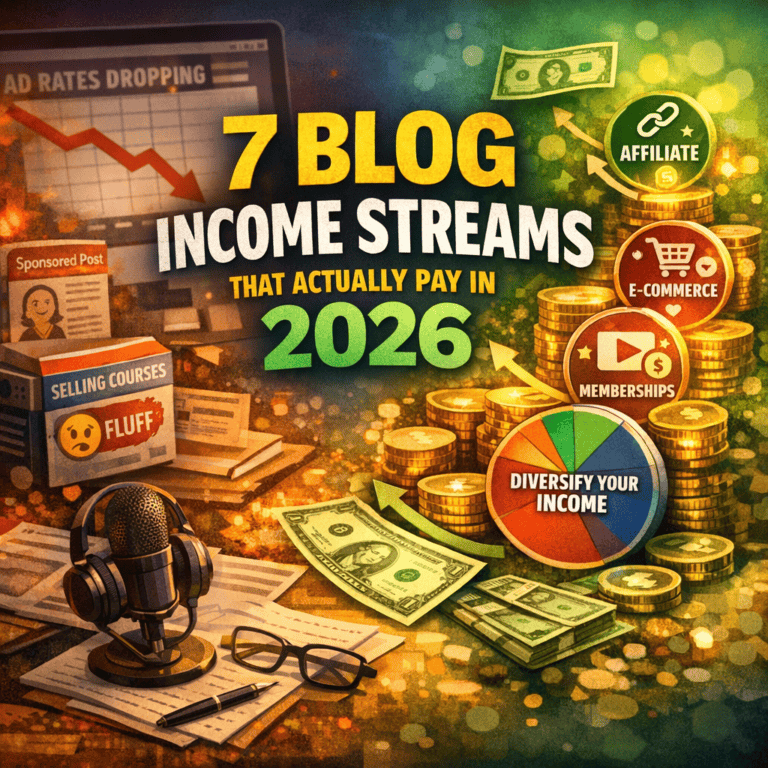
Affiliate Marketing in 2026: What’s Still Working (and What’s Dying)
Affiliate marketing isn’t slowing down, global spend is on track to pass $20 billion in 2026, and US affiliate investment alone has grown nearly 50% since 2021. But growth at the industry level hides a real shift happening at the blogger level: some tactics that reliably converted two years ago are quietly dying, and a few underused ones are picking up the slack.
What’s Dying
Generic best of listicles with no first-hand use. Readers and search engines have both gotten better at spotting affiliate posts that were clearly written without the product ever being touched. These pages are getting outranked by content with real screenshots, real usage notes, and real drawbacks mentioned alongside the pros.
Hiding the affiliate relationship. Vague disclosures buried in a footer are a trust problem and, increasingly, a conversion problem, audiences who feel misled don’t click your next recommendation either.
Single-channel dependence. Blogs that only ever funneled traffic through one search-driven post are more exposed than ever to AI Overviews and algorithm shifts pulling clicks away before they reach the affiliate link.
What’s Working
Transparent, specific recommendations. Posts that openly say here’s what I use and why, here’s what I’d skip convert better than posts trying to sound neutral about every option. Audiences reward honesty about monetization, not the absence of it.
Multi-channel funnels. The bloggers seeing the steadiest affiliate income in 2026 aren’t relying on search alone, they’re pairing SEO content with an email list and a social presence, so a single algorithm change doesn’t wipe out the whole revenue stream.
Buying-intent content over top-of-funnel content. Comparison pages, X vs Y, and is it worth it posts convert at a much higher rate than broad introductory content, because the reader has already decided to buy something, they’re deciding what.
Niche-specific affiliate programs over generic networks. Direct partnerships with tools or brands in your specific niche often pay better commissions and give you more flexibility in how you present the offer than broad affiliate networks.
A Practical Checklist for the Rest of 2026
Audit your existing affiliate posts for genuine first-hand detail, not just spec-sheet summaries. Move your affiliate disclosure to the top of the post, not the bottom. Pick two channels beyond your blog, email is the highest-leverage second channel for most bloggers, and start funneling readers there. Prioritize updating comparison and vs posts before writing new top-of-funnel content, since that’s where buying intent already lives.
Affiliate marketing in 2026 rewards bloggers who act like trusted recommenders, not walking banner ads. That shift is more about how you write than which network you join.