7 Blog Revenue Streams That Actually Pay in 2026

If you’re hunting for blog revenue streams that actually pay in 2026, you’ve probably read a dozen “make money blogging” posts already. Most were fluff. Most were written by people whose only real income was selling courses about making income. So you’re skeptical. Good. You should be.
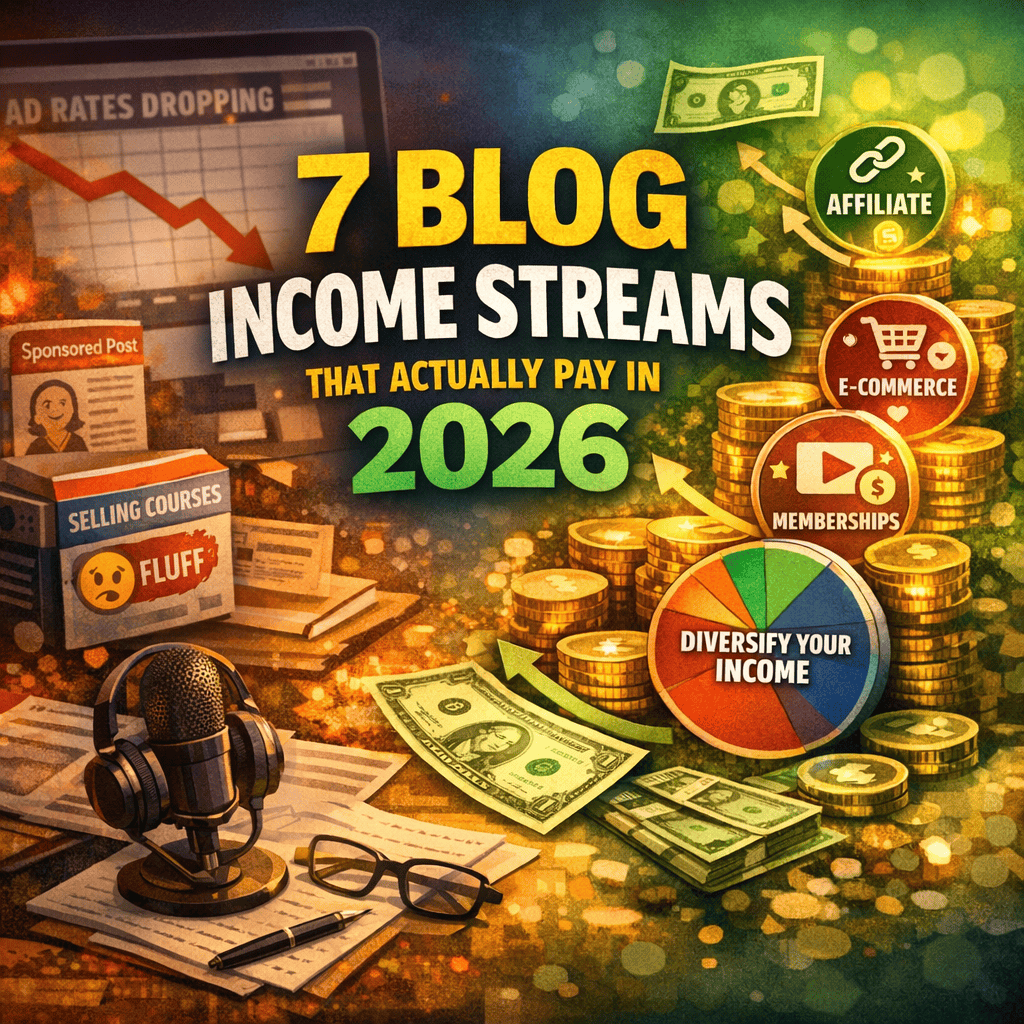
Here’s the thing though. The blog money game has changed, and the people ignoring that change are the ones watching their earnings shrink. Ad revenue per thousand views has been squeezed for years. Meanwhile the top earners quietly did something different: they stopped betting everything on one payout and built multiple blog revenue streams instead.
I’ve run a blog through exactly this shift — from watching ad rates slide to building income I actually control — so what follows isn’t theory. It’s the seven income streams working right now, with real numbers. And every figure below comes from real creators and 2026 industry data, not made-up projections. Ads still have a seat at the table. They’re just not the whole meal anymore.
Now let’s get to the seven streams.
The seven best blog revenue streams beyond ads in 2026 are: 1) paid memberships, 2) digital products, 3) a paid newsletter tier, 4) affiliate marketing, 5) direct sponsorships, 6) services and consulting, and 7) community and live events. Top creators stack five or more of these streams instead of relying on ads alone.
Table of Contents
Why Diversifying Blog Revenue Streams Beats Ads in 2026
Ads aren’t dead. YouTube alone pulled in over $36 billion in ad revenue in 2024. That kind of income doesn’t come from ads alone, though.
That’s the real lesson. Even the giants layer income. They don’t lean on one source.
The data backs this up hard. Top creators average five or more revenue streams. Five. Not one.
And it pays off. About 22% of creators with 10,000 to 100,000 followers earn $5,000 or more a month. The ones stacking streams are the ones hitting those numbers. (Viral Roast)
Here’s the part critics skip. One income source means one point of failure. An algorithm shifts. An ad network cuts rates. Suddenly your rent money vanishes. Diversifying your income isn’t a growth hack. It’s insurance. The whole point is to build a blog that makes money from more than one place.
1. Paid Memberships and Subscriptions for Bloggers
This is the big one. And it’s the most predictable money you can make.
The model is simple. Readers pay a small monthly fee. In return, they get something extra — bonus posts, a private community, early access, whatever fits your niche.
Why it beats ads: the money shows up every month. Community memberships give you recurring revenue that doesn’t depend on any single post going viral. (Viral Roast)
Think about that. With ads, you start from zero every month. With memberships, you start with a base you can count on.
The skeptic says, “Nobody will pay for what I give away free.” Fair worry. But you don’t paywall everything. You keep the free stuff free. You charge for the extra layer.
Start small. Even 100 members at $8 a month is $800. That’s often more than months of ad income for a mid-size blog. The first paid offer I launched was tiny — a handful of members — and it still beat what ads paid me that month.
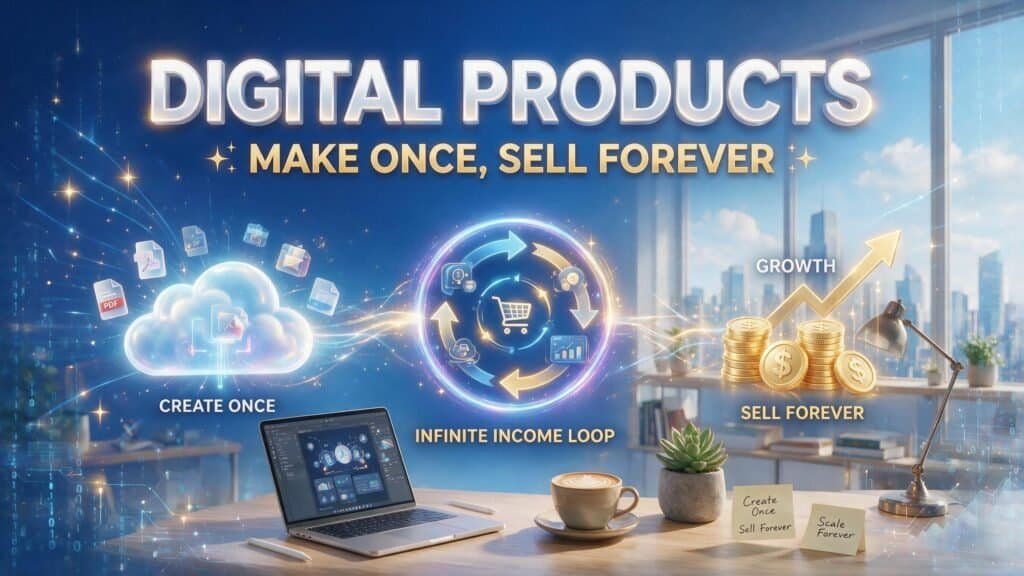
2. Digital Products: Make Once, Sell Forever
This is where the math gets fun. You build a product one time. Then you sell it again and again. No new work per sale. That’s the passive income ads never deliver. And the right AI tools for bloggers can shrink the build time from weeks to a weekend.
Good digital products for bloggers include:
- E-books — package your best advice into one guide
- Templates — spreadsheets, planners, checklists people can use today
- Short courses — teach the skill your posts hint at
- Presets or tools — anything that saves your reader time
E-books, templates, guides, and short courses are all picking up as a monetization direction. Why? Because readers want the shortcut. They’ll pay to skip the trial and error. (Digitalmarketingmaterial)
Here’s the honest part. Your first product might flop. That’s normal. But a product that lands can out-earn a year of ads in a weekend launch.
The trick is simple. Solve one specific, painful problem your audience already has.
3. How to Start a Paid Newsletter Tier
You probably already send emails. Now imagine some readers pay to get the good ones.
This is one of the cleanest ways to monetize your blog. And the platforms make it easy.
Look at a real example. One cybersecurity writer built a newsletter over a couple of years. By 2026 he had 8,500 free subscribers and 850 paid subscribers at $10 a month. (Earnifyhub)
Do the math. That’s $8,500 a month, and after the platform’s 10% fee, about $7,650 net. (Earnifyhub)
Notice the ratio. Only 10% of his list paid. The other 90% read for free. You don’t need everyone. You need a loyal slice.
The reason this works: email is yours. No algorithm decides who sees it. You own the connection. That ownership is the whole point of going beyond ads. In 2026, more creator income comes from sources you own, like email and memberships. Less comes from platforms that can shut you off overnight. (Circle)
4. Affiliate Marketing for Bloggers, Done Honestly
Now, I know. “Affiliate marketing” makes skeptics groan. It sounds like spammy links stuffed into every paragraph.
That version is dead. It doesn’t convert anymore. Readers smell it instantly. For the full playbook, here’s how affiliate marketing for bloggers works when it’s done cleanly.
The 2026 version is different. Today’s bloggers work recommendations into their posts in a natural way. They share what actually happened. They list the good and the bad. And they say plainly when a link earns them money. (Digitalmarketingmaterial)
Here’s why the honest approach wins. Once trust is there, conversions follow without much pressure. (Digitalmarketingmaterial)
Think of it like a friend recommending a tool. You trust the friend because they’d tell you if it stunk. That’s the energy.
A few rules that keep it clean:
- Only recommend things you’d use yourself
- Say when a link earns you money
- Include the downsides, not just the hype
Affiliate clicks track directly with how much your audience trusts you. Trust is the asset. The commission is just what trust pays out. (Viral Roast)
5. Direct Sponsorships and Brand Partnerships
Sponsorships aren’t new. But how you land them in 2026 is.
Old way: wait for a network to send you scraps. New way: pitch brands directly and keep the full fee.
And here’s a number that should change your whole approach. Brands pay 40 to 60% more for creators who can show high engagement and strong completion rates. (Viral Roast)
Read that again. Depth beats size. A small blog with a glued-in audience can out-earn a bigger one full of drive-by traffic.
So the play is clear. Grow engagement, not just pageviews. Show a brand your readers actually act on what you say. It starts with getting found — blog SEO for beginners brings the right readers in before you ever pitch.
The skeptic worry here: “I’m too small for sponsors.” Often untrue. Niche blogs are gold to the right brand. A tiny audience of exactly-right buyers beats a huge random crowd.
Start local or start niche. Pitch three brands you already love this month. One yes changes your income.
6. Services and Consulting to Monetize Your Blog
This one is hiding in plain sight. You’ve been building proof of your skill with every post. That’s a portfolio. And people pay for skill.
Creators are increasingly monetizing their expertise through freelance work, consulting, and education. Your blog becomes the storefront. Your services become the checkout. (The Influencer Marketing Factory)
Say you write about email marketing. Some readers want to learn it. Others just want you to do it. That second group has money and no time.
The beauty here is speed. You don’t build a product or grow a list first. You can offer a service this week.
Many bloggers underestimate their own expertise. Don’t be one of them. If people read you for advice, some will pay for that advice one-on-one. (Digitalmarketingmaterial)
Even a few clients can dwarf your ad income. And it costs you nothing to start but time.
7. Community and Live Events That Build Recurring Revenue
The last stream is the one that ties everything together. People don’t just want content anymore. They want to belong somewhere.
A paid community gives them that. This can be a private group, a paid Discord, cohort classes, or virtual events.
Subscriptions, live events, and communities do more than earn money. They build something you own — real business equity, not just a blog. (Cleeng)
And the format is shifting in a helpful way. In 2026, 61% of creators use async formats as a core engagement channel. (Circle)
Translation: you don’t have to be “on” live all the time. A community can hum along while you sleep. That makes it far more doable for a solo blogger.
Why does community out-earn ads? Because a strong community drives loyalty and recurring revenue, and it’s often a creator’s most valuable asset. (Behind the Scenes)
A reader who leaves after one page is worth pennies. A member who shows up every week for a year is worth real money. Community turns the first into the second.
What Most “Make Money Blogging” Advice Gets Wrong
Here’s what the burned skeptic gets right. Most “make money blogging” advice is empty. It’s recycled and vague.
But here’s what they miss. The empty advice fails because it’s single-stream and passive. It says “add ads and wait.”
The streams above are different. They’re built on one thing critics can’t argue with: a direct relationship with your readers. That relationship is also the core of proving the experience E-E-A-T rewards.
The creators who thrive won’t be the ones with the most followers. They’ll be the ones with the strongest direct relationships with their audience. (Cleeng)
Ads rent you an audience through a middleman. These seven blog revenue streams let you own the relationship outright. That’s the whole shift in one sentence.
And you don’t need all seven. Start with one. Then stack a second. Adding just two or three revenue streams is the standard path to consistent income.
How to Start Your First Blog Revenue Stream This Week
Here’s the part nobody controls but you: which blog revenue stream you build first. Ads rent you an audience through a middleman and pay you scraps for the privilege. The seven streams above hand you the whole relationship — the readers, the emails, the trust, the money. That’s the entire shift, and it’s yours the second you stop waiting on someone else’s payout.
So stop waiting. Pick the one stream that fits your blog today with the least friction. Got an email list? Launch a paid tier. Got a skill? Offer one service. Got readers who keep coming back? Open a small membership. Then set it up in the next seven days — not someday, this week. The bloggers still standing five years from now are the ones who started owning their income while everyone else kept refreshing their ad dashboard.